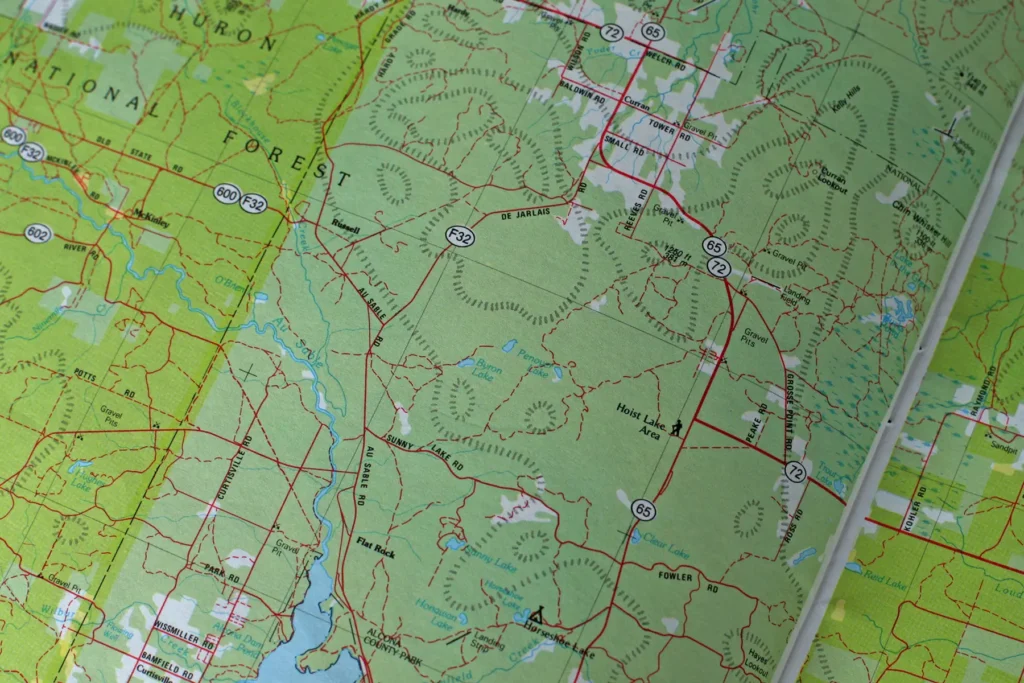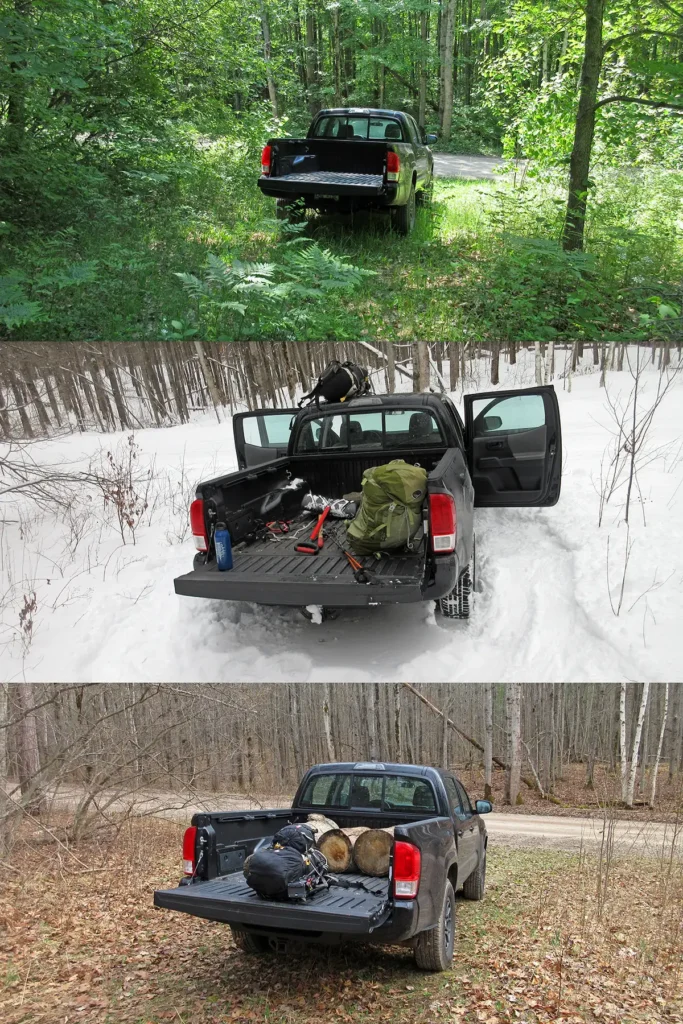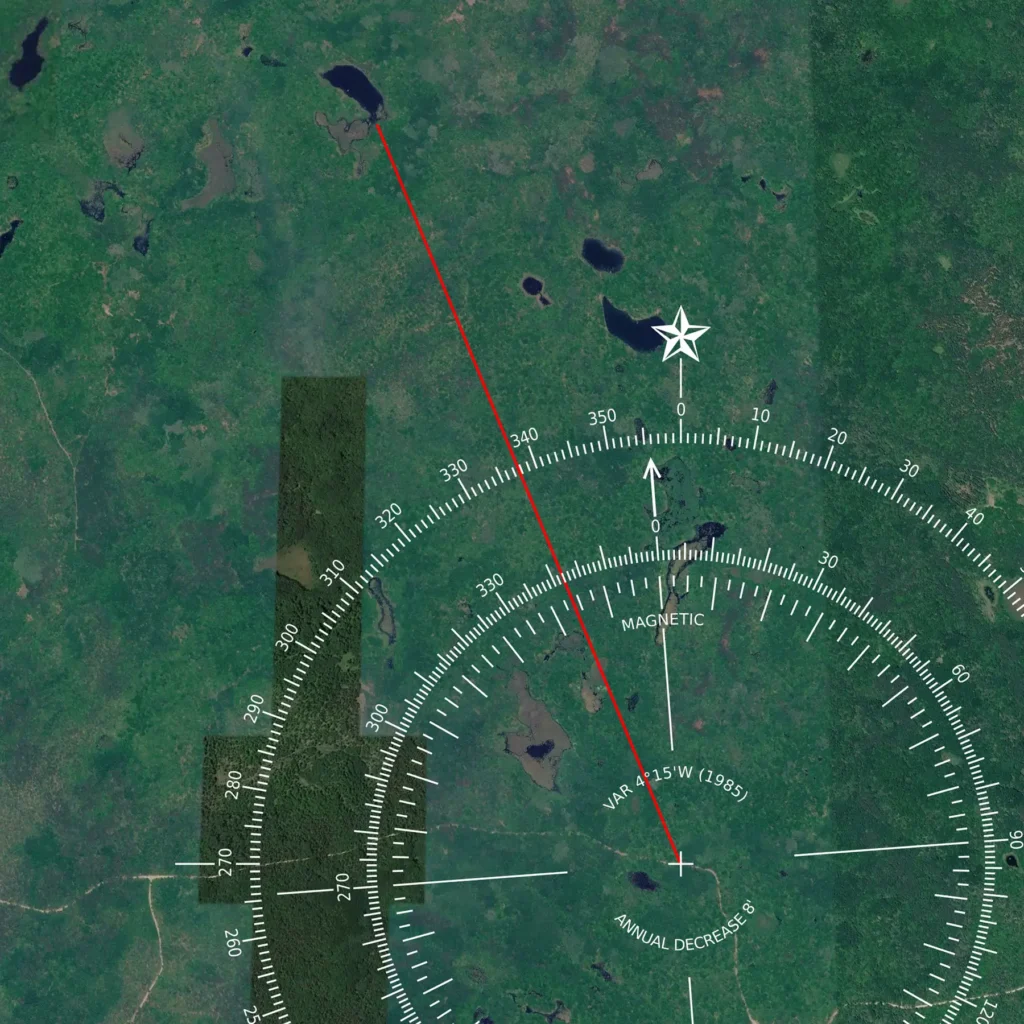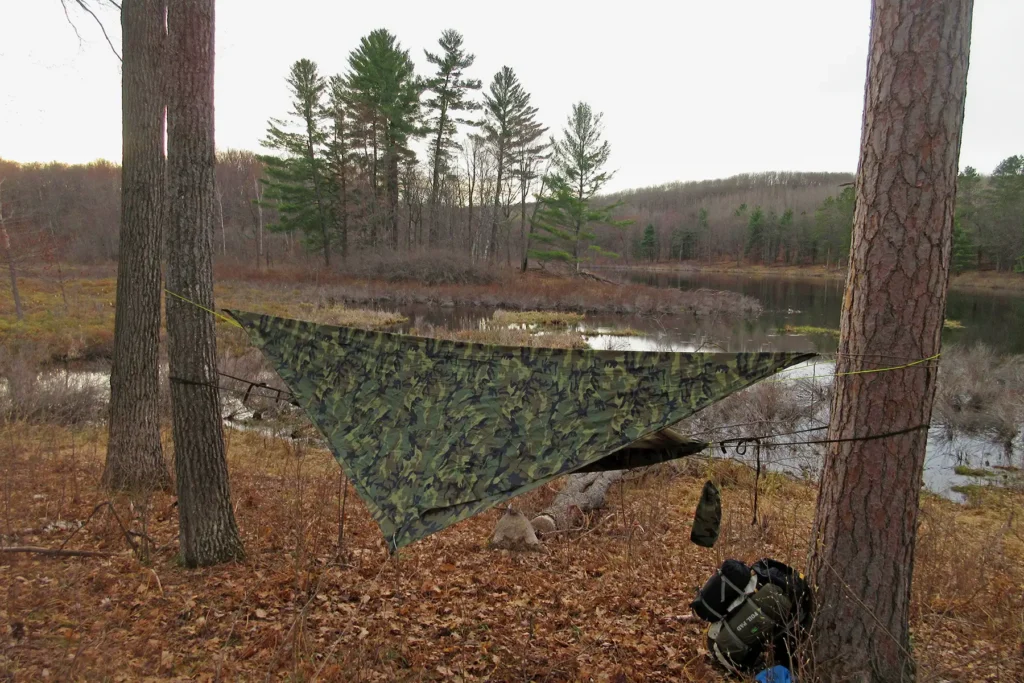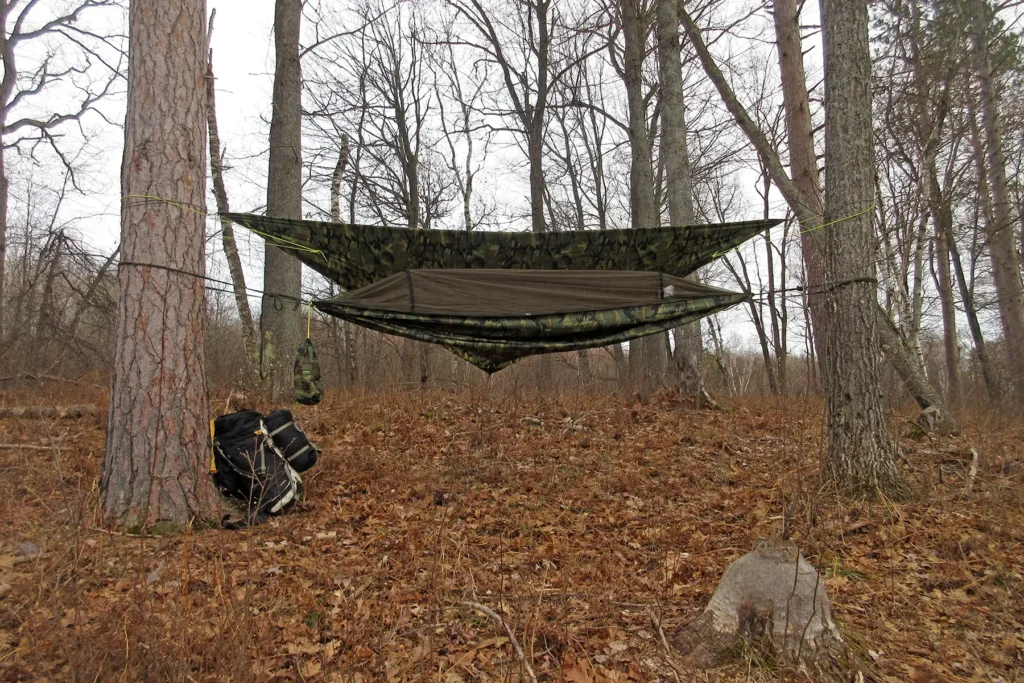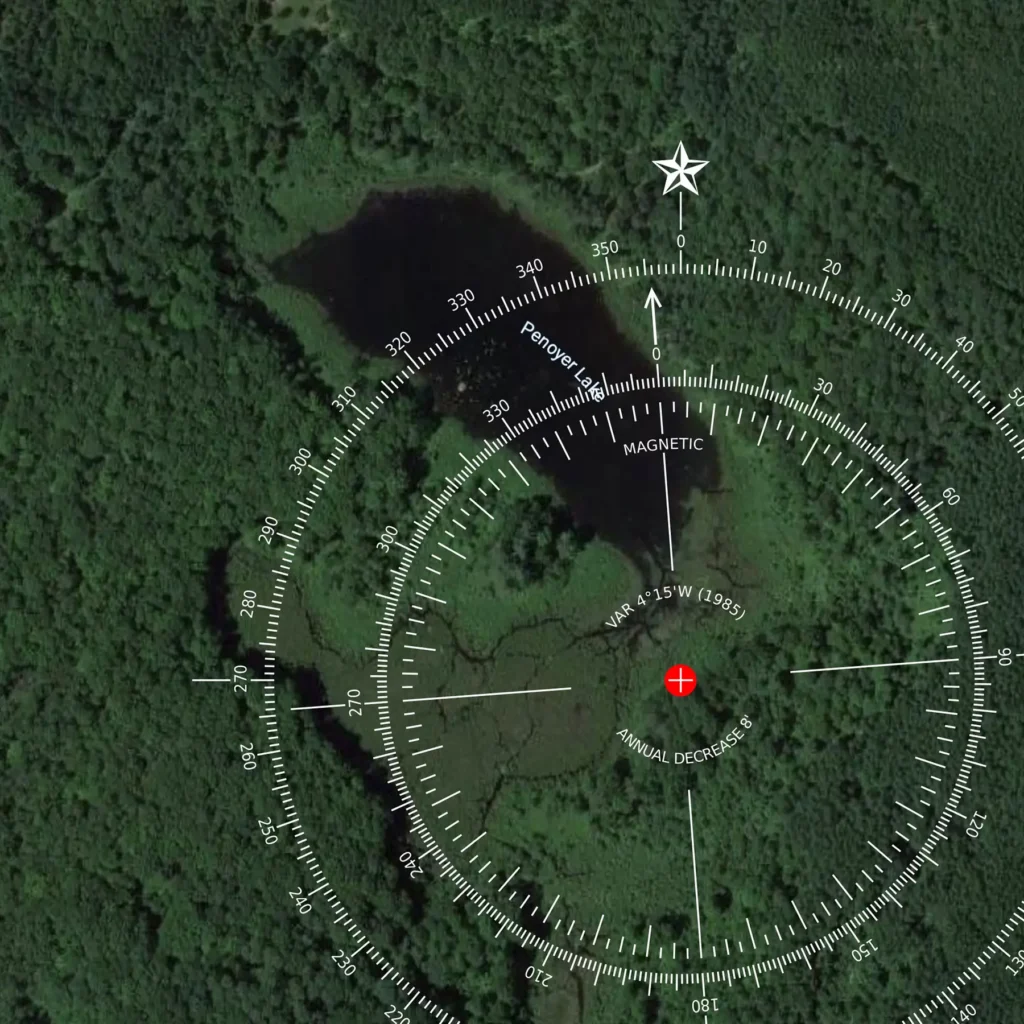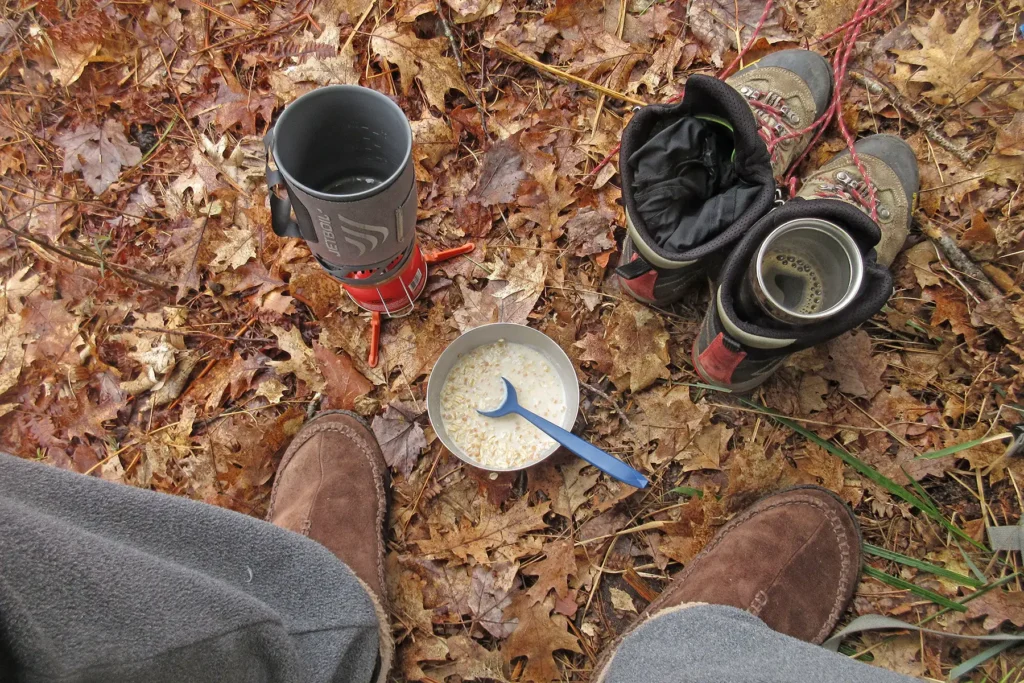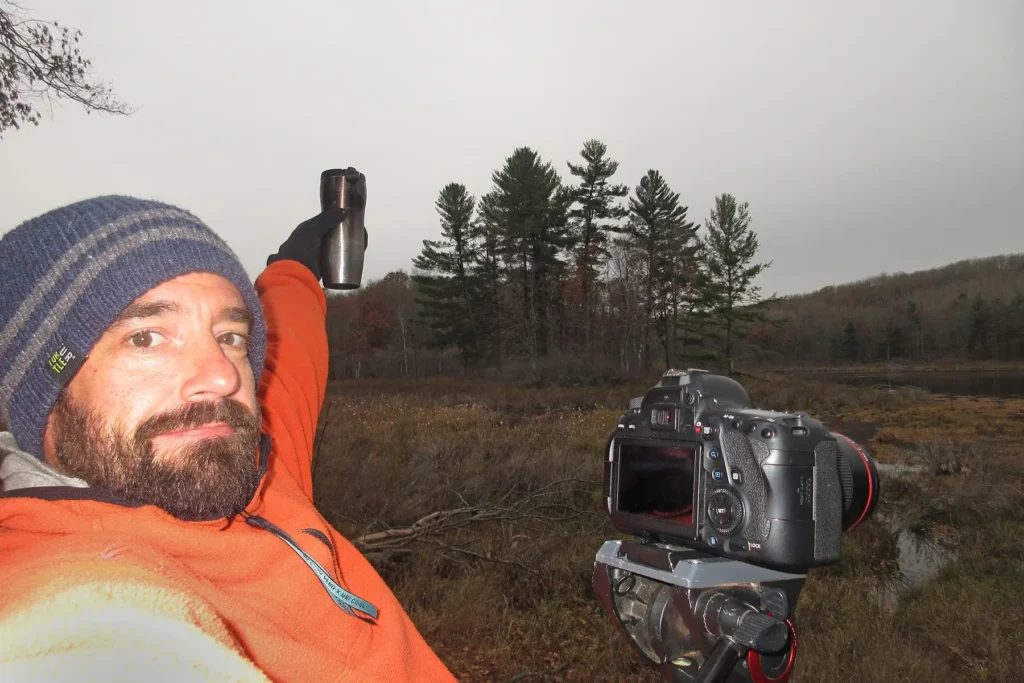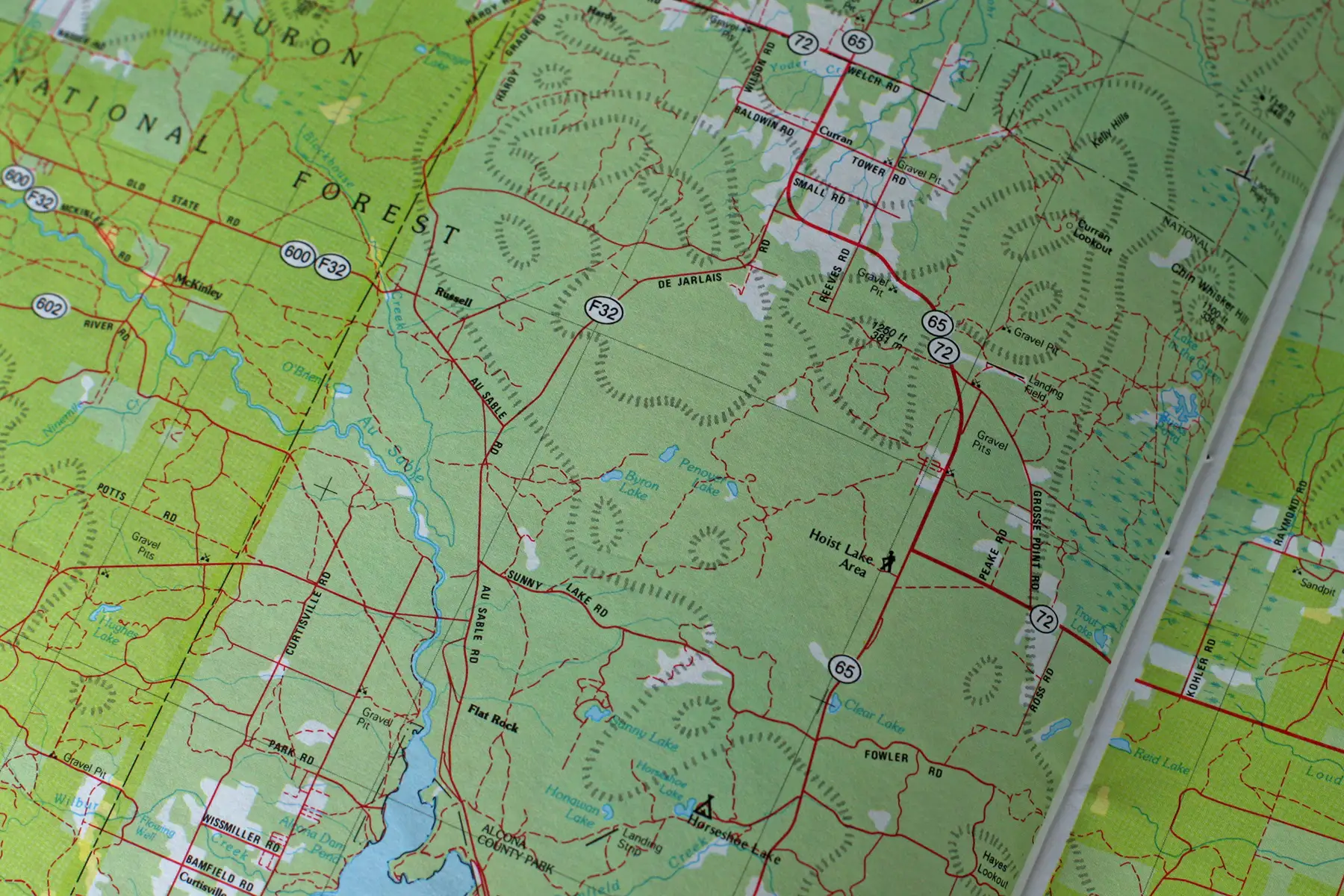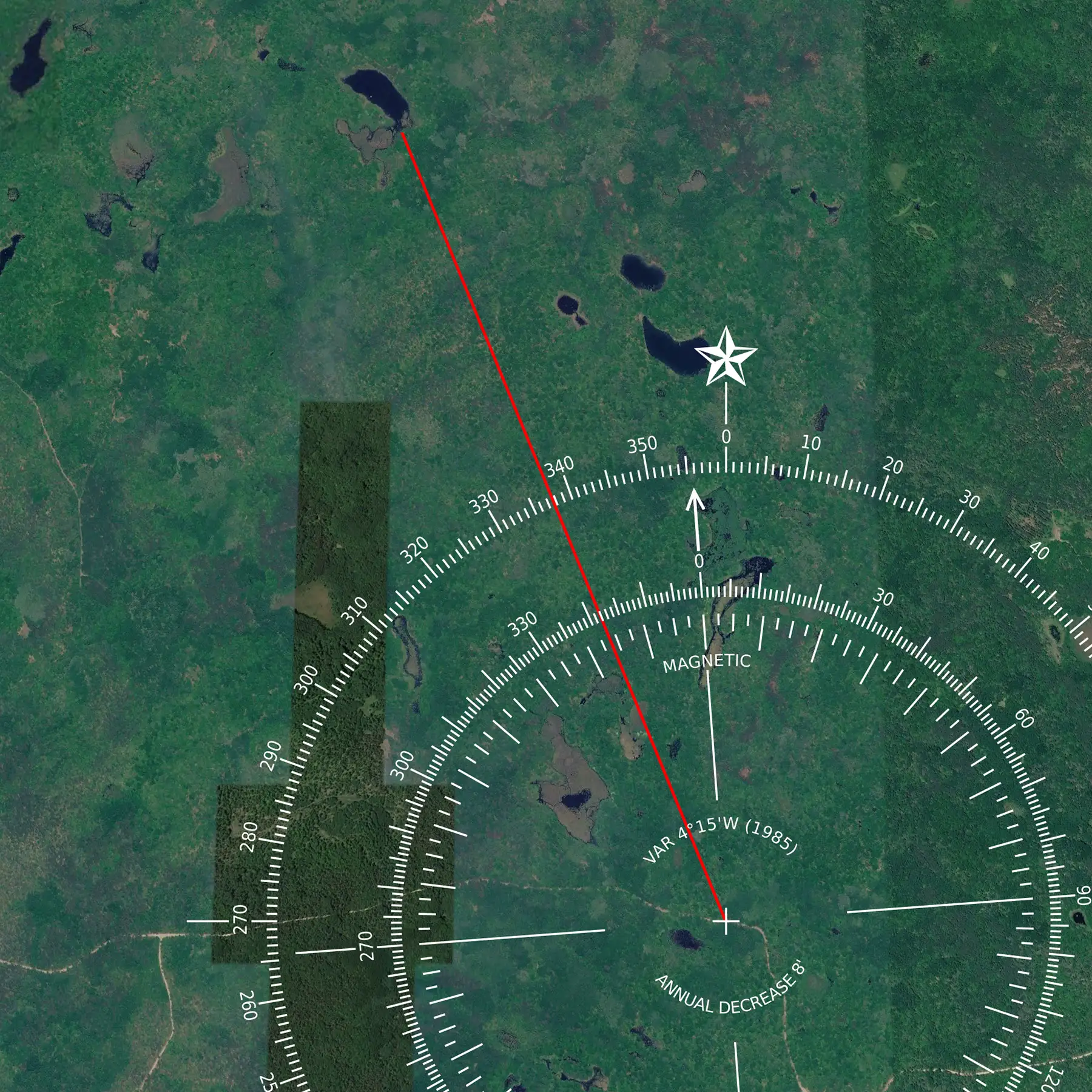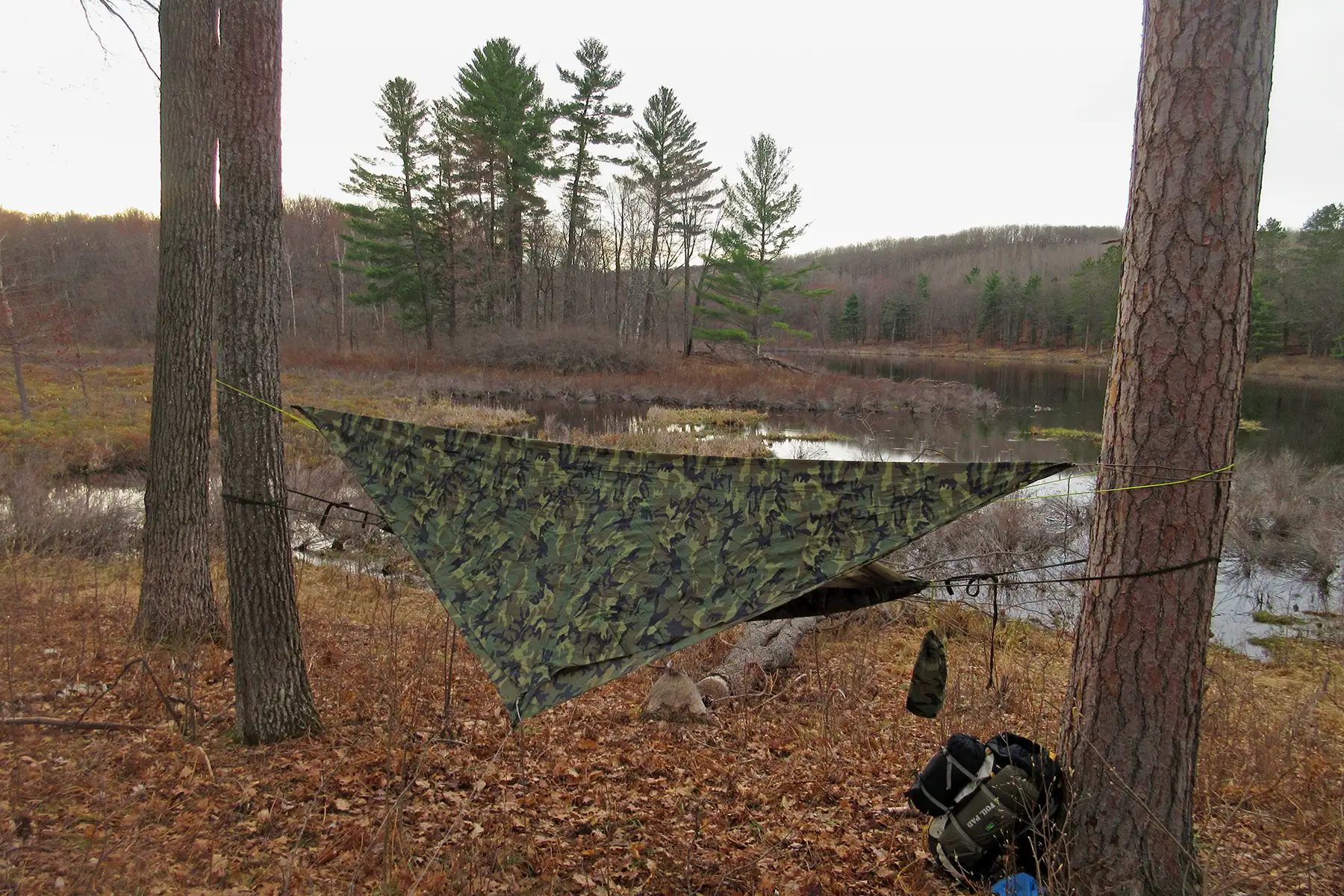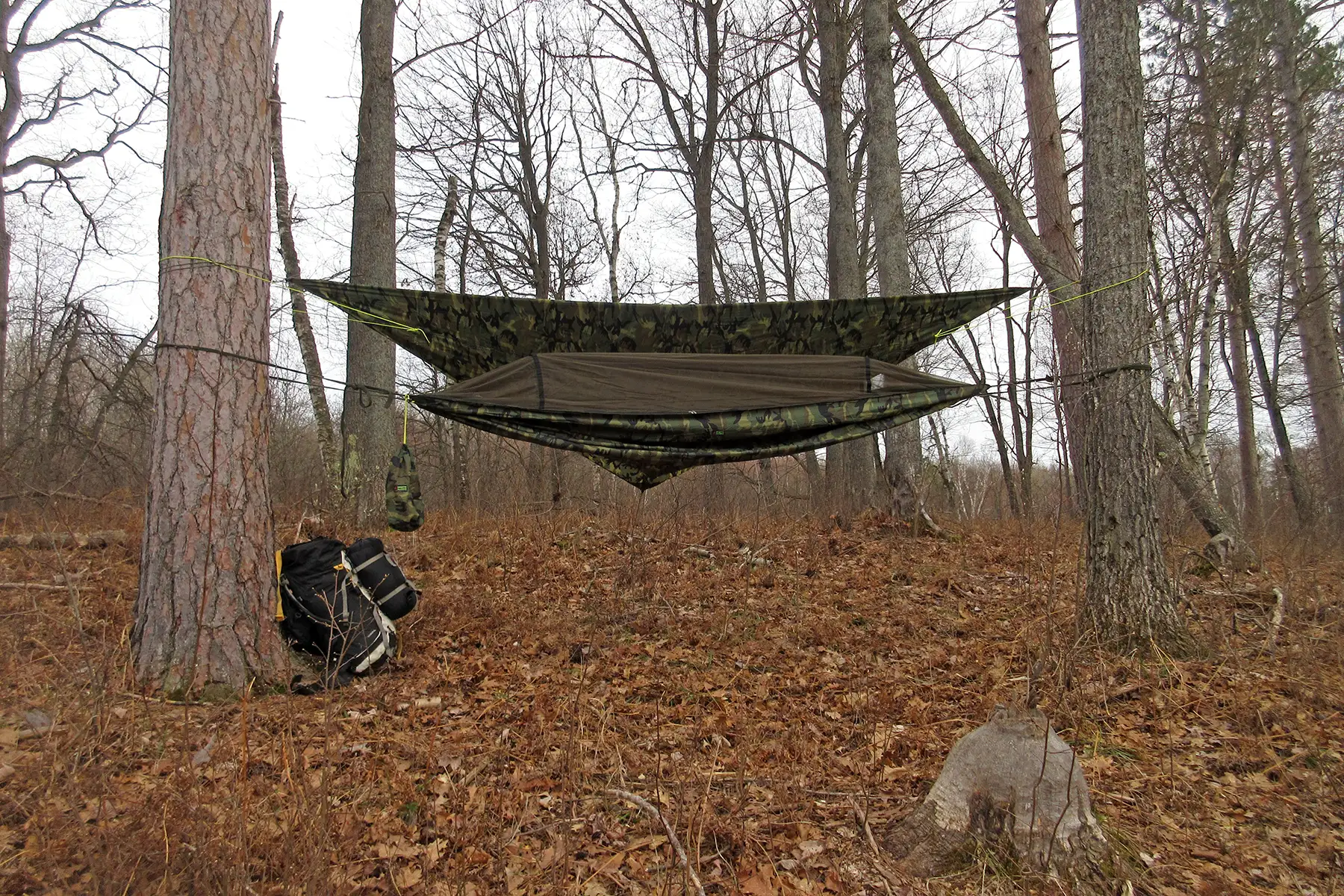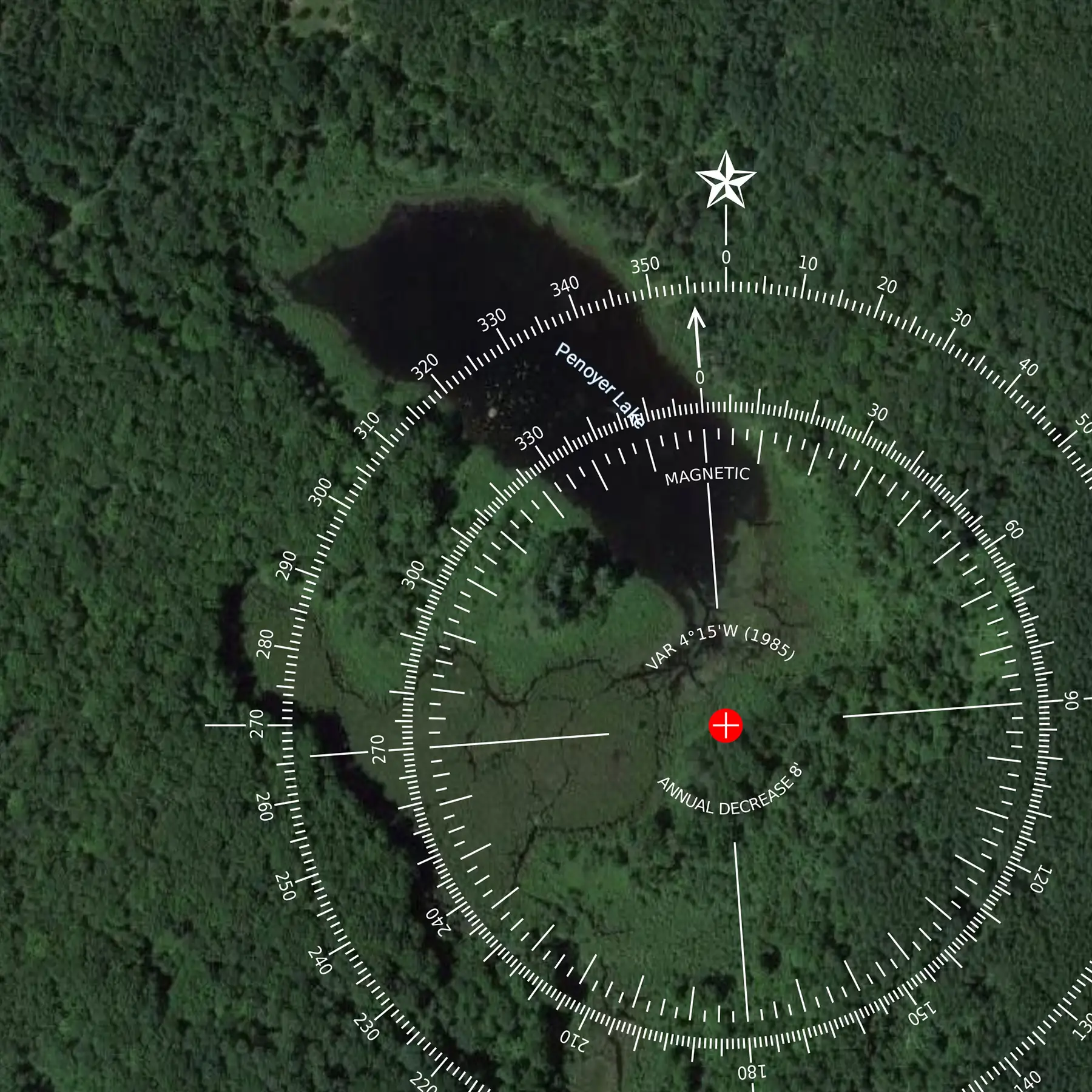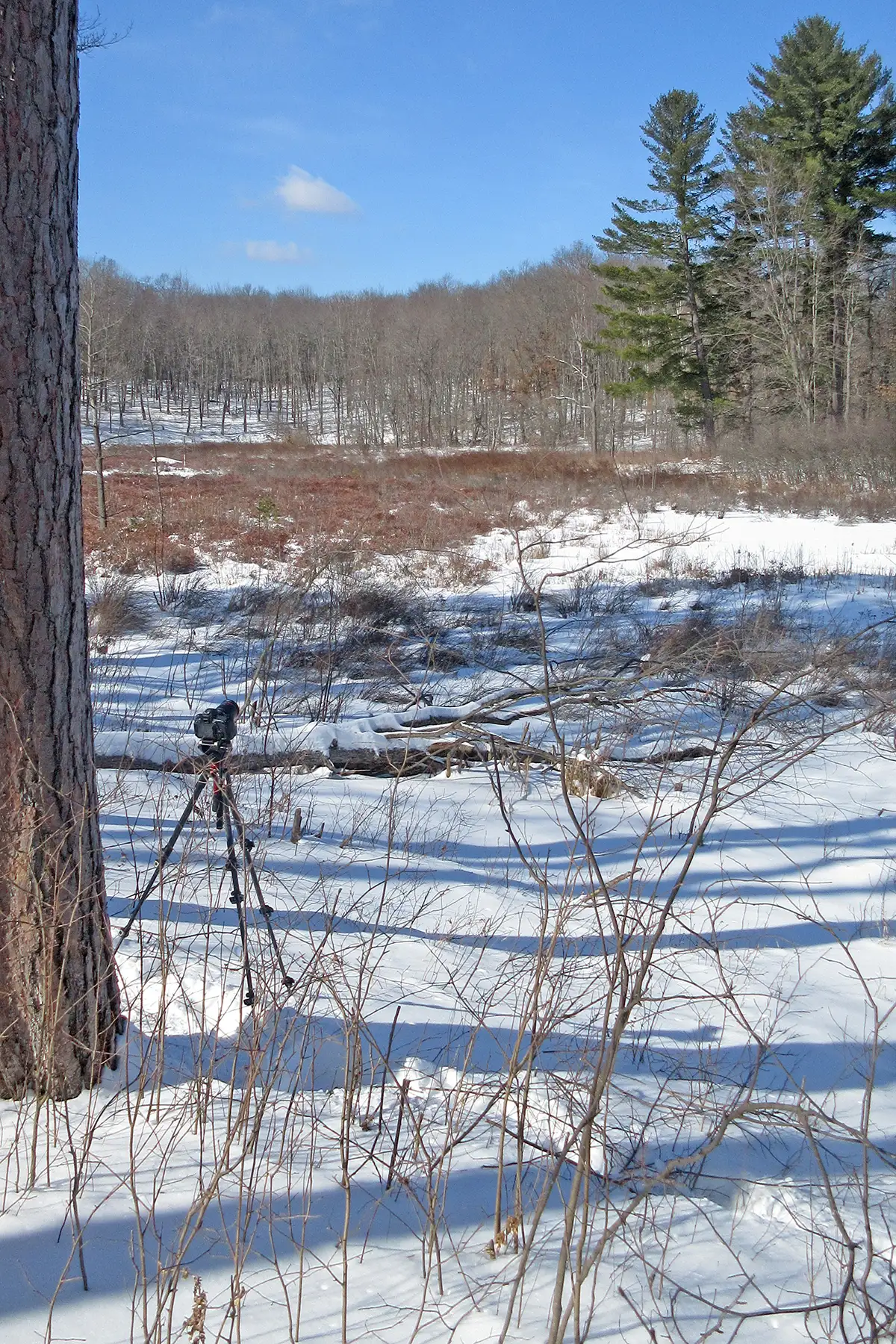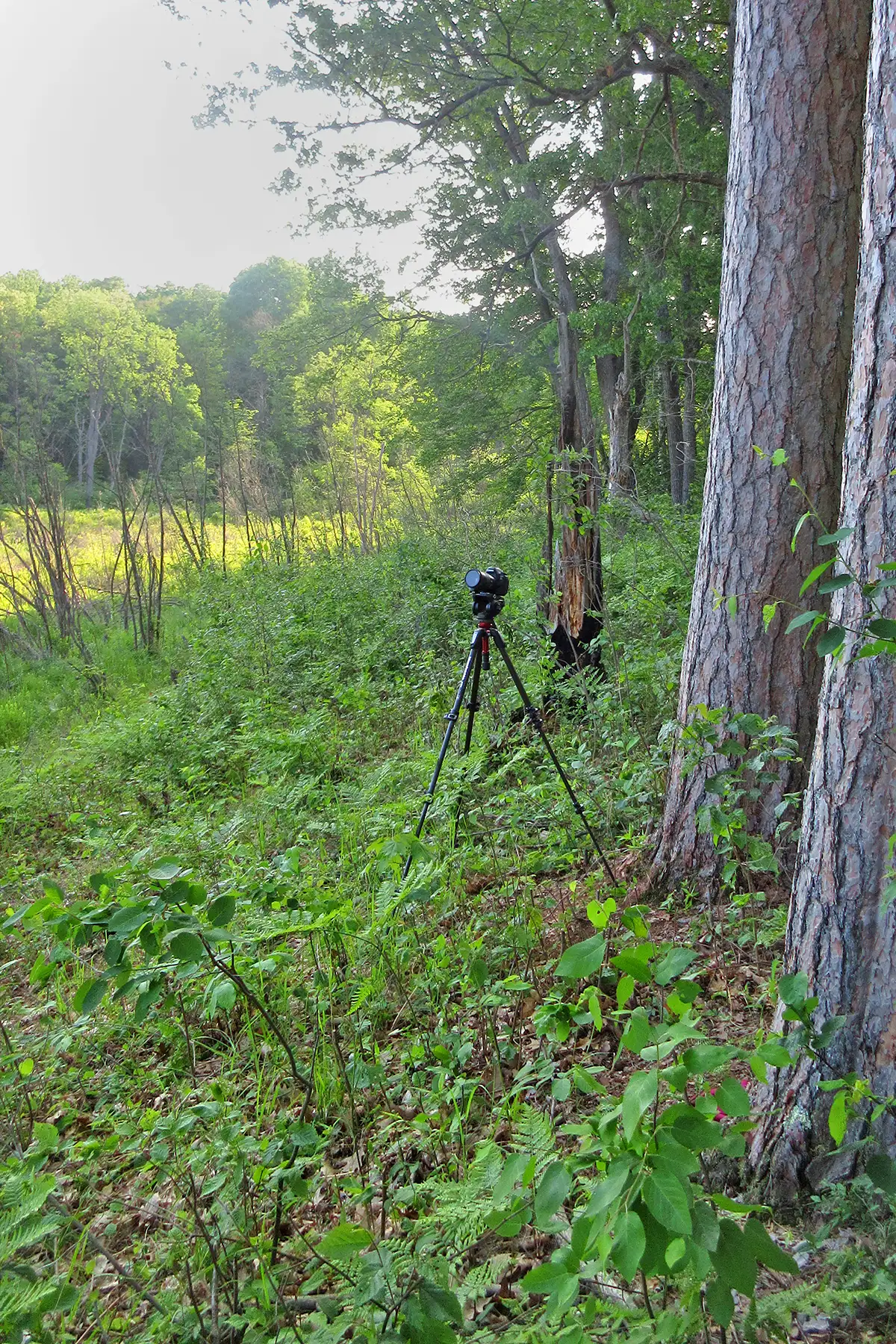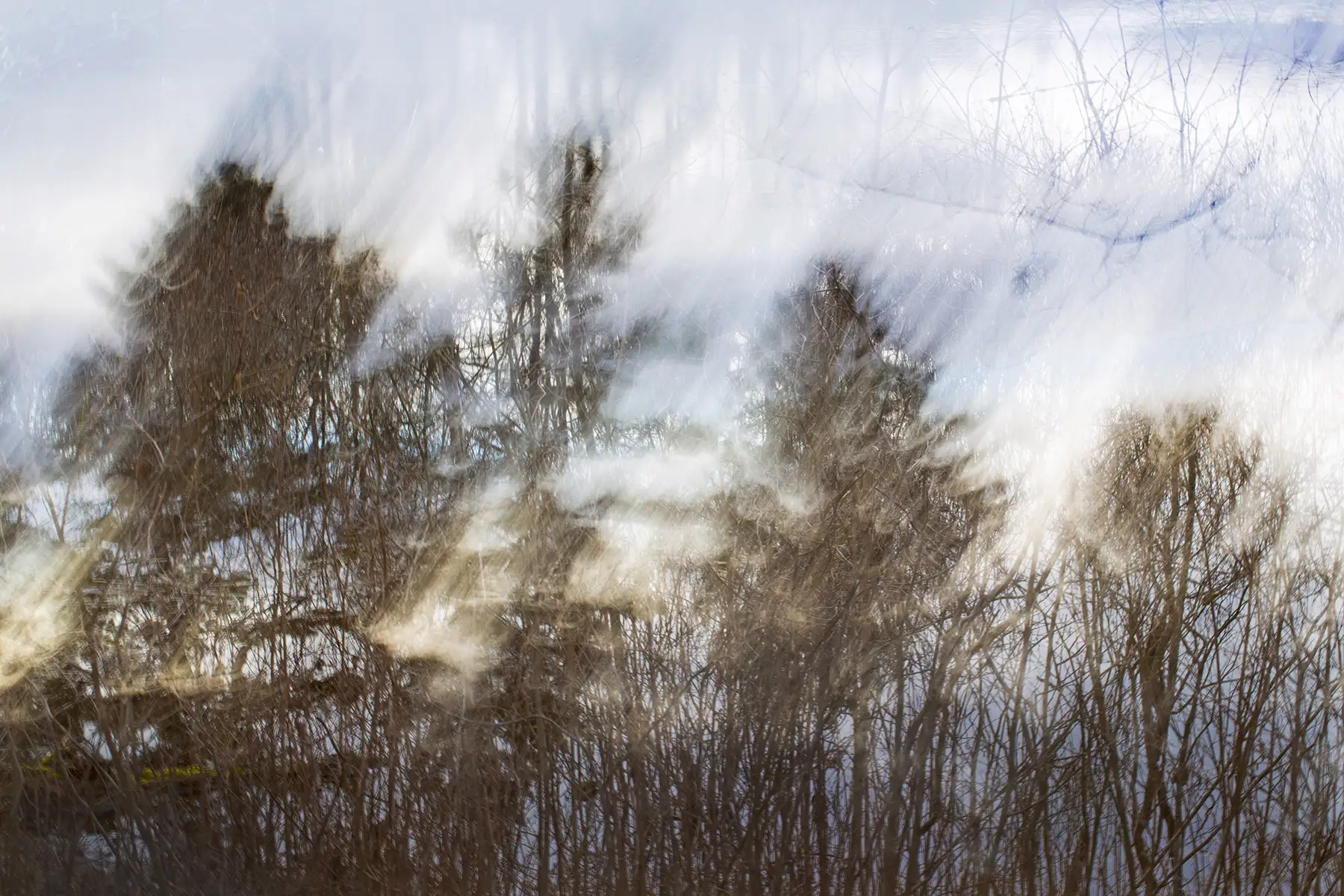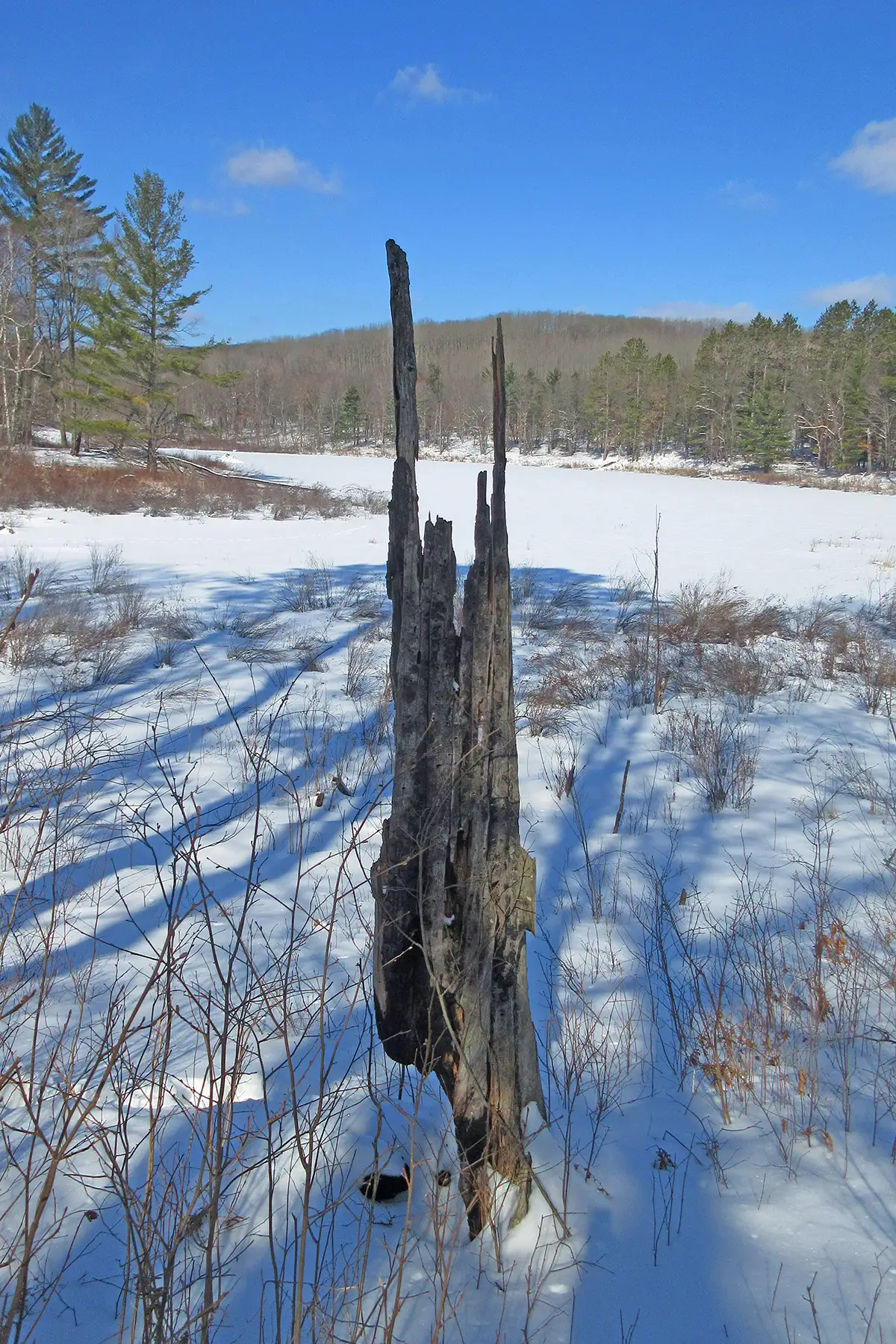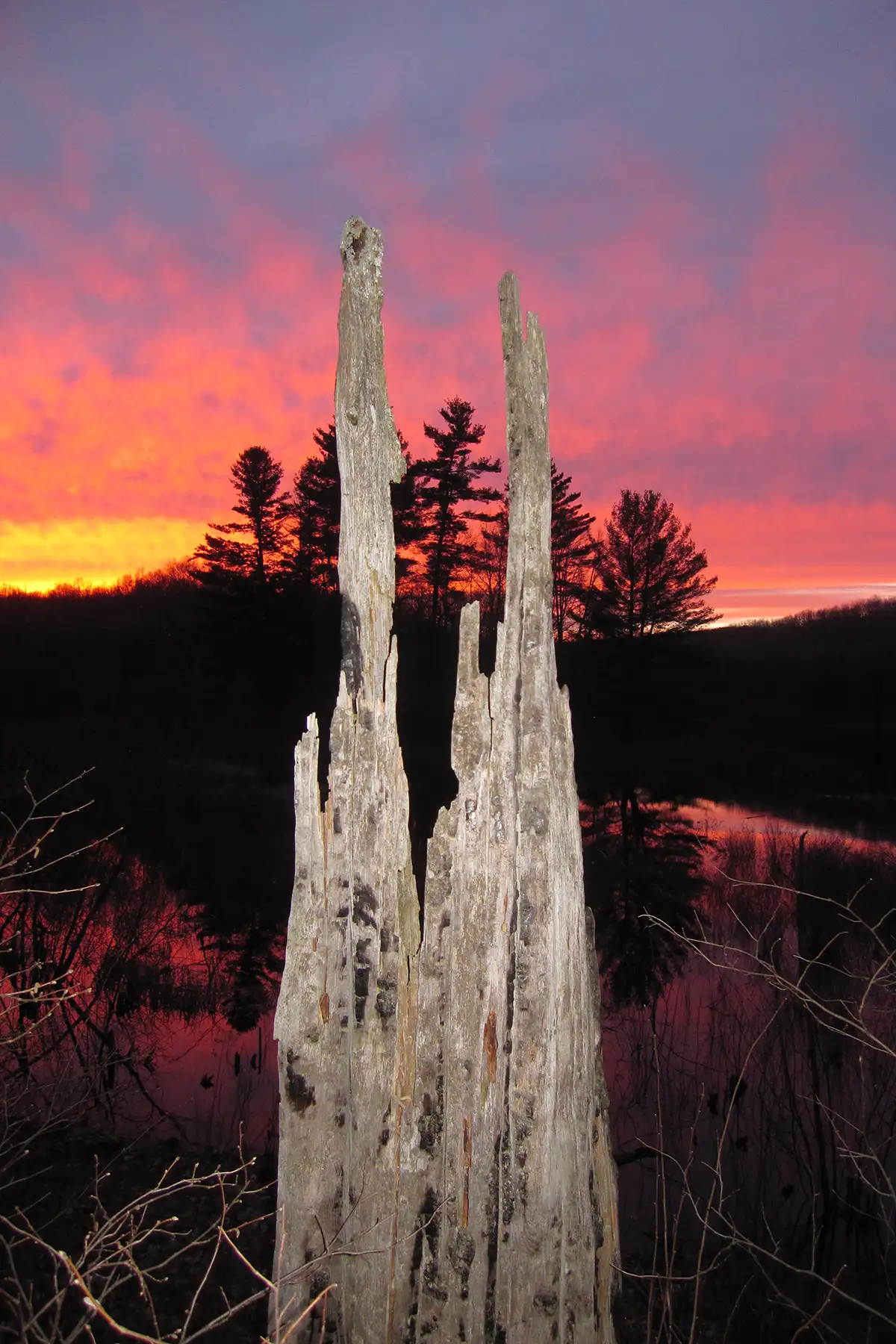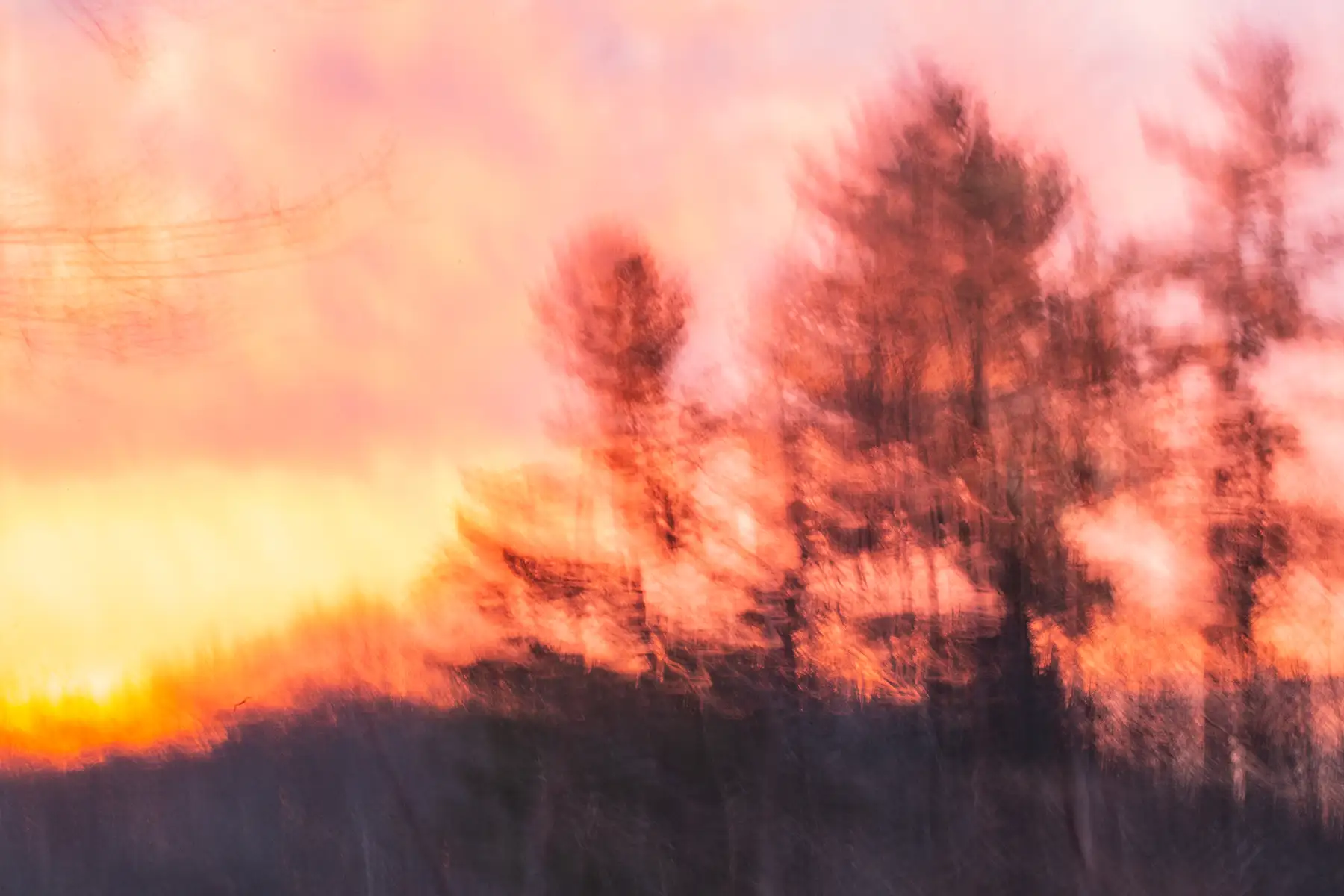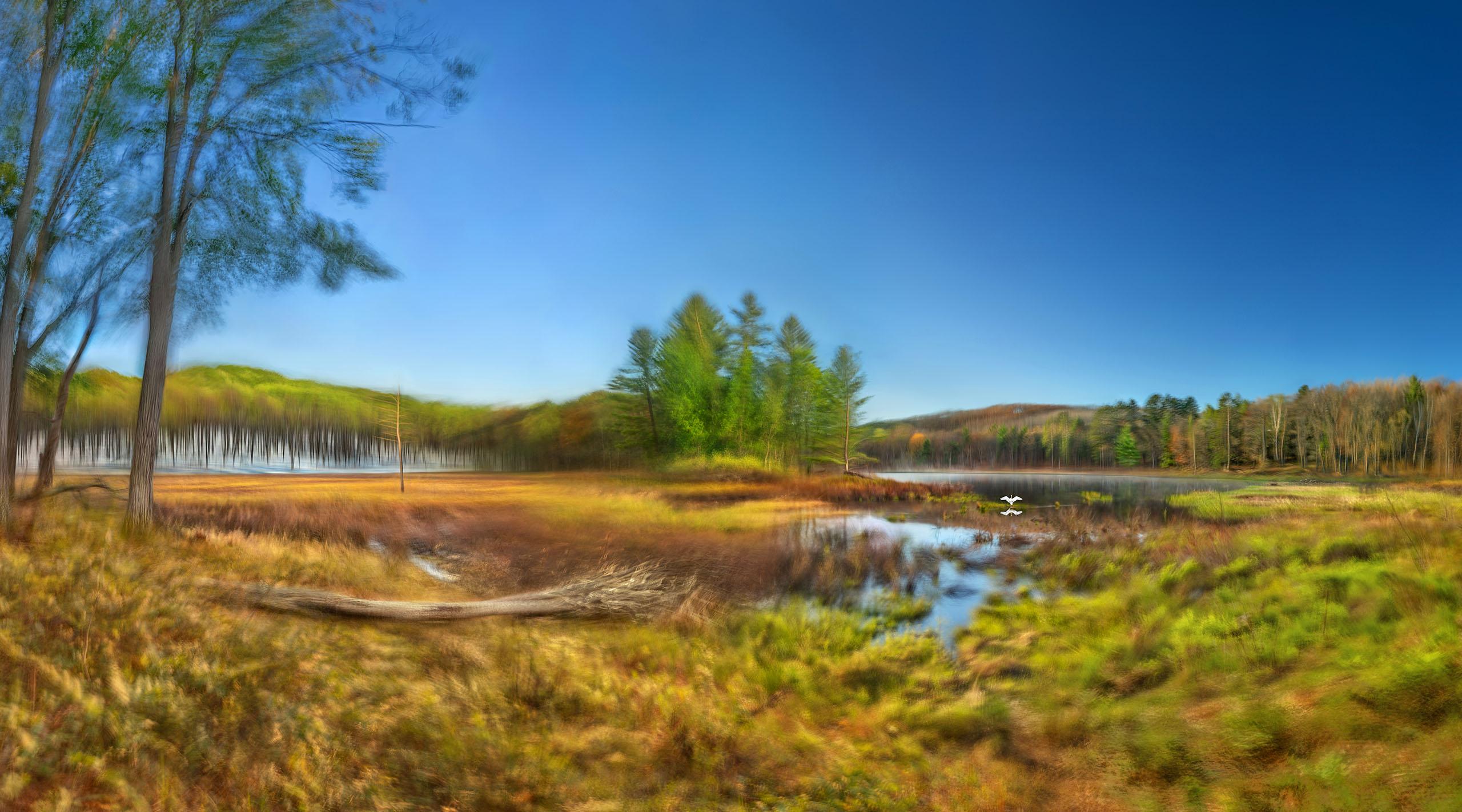
Huron … Hoist … Penoyer … Trumpeter. The names I’ve ascribed to this landscape have become more specific with time. I began frequenting it long before photographing it, shortly after moving to Michigan and driving north toward Huron National Forest. I stopped at the largest patch of green I could find in a Rand McNally Road Atlas and discovered Hoist Lakes Foot Travel Area. I bushwhacked for two miles and discovered Penoyer Lake. I pitched a hammock, sat in silence, and heard for the first time the unmistakable call of a Trumpeter Swan, North America’s largest native waterfowl.
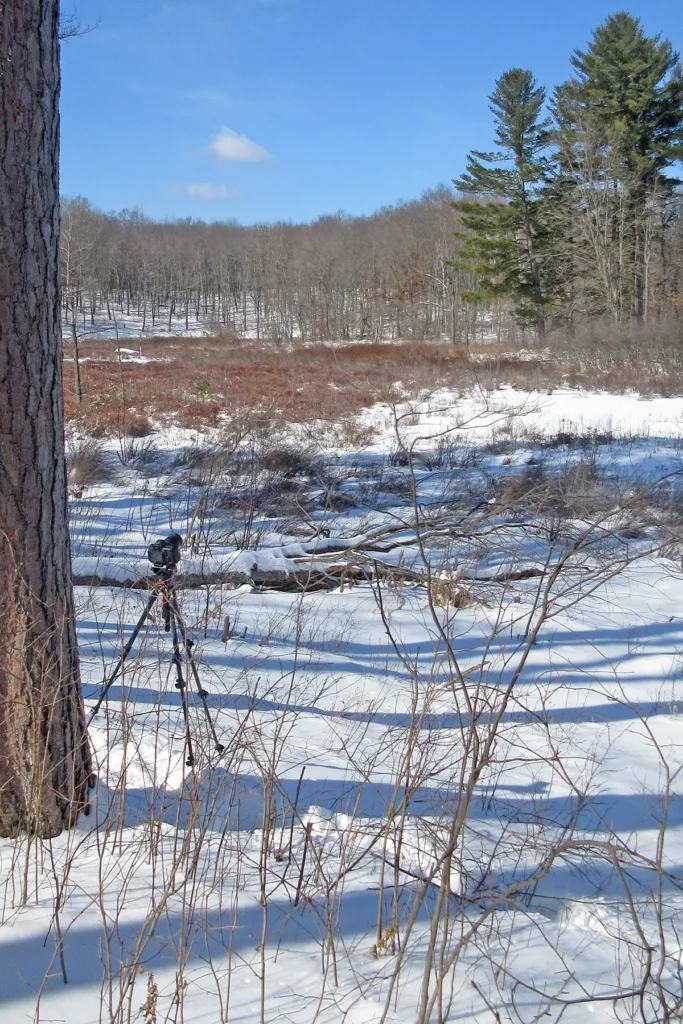
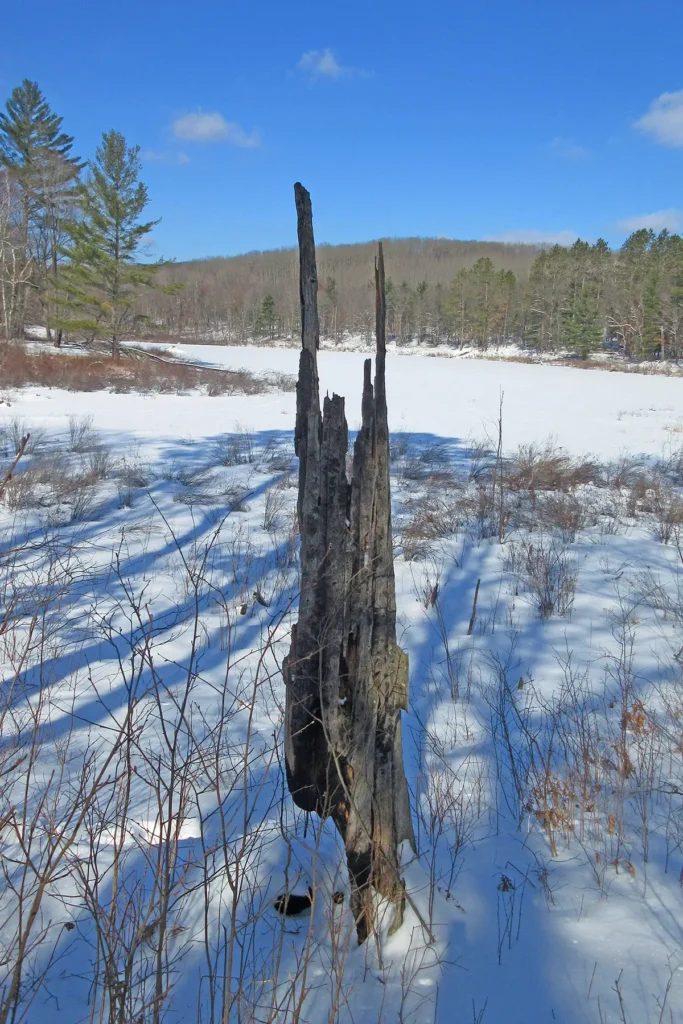
Driven nearly to extinction in the 20th century, Trumpeter Swans’ healthy comeback is a conservation success story. They often mate for life and return to their nesting sites annually, and I’m confident that the pair I saw year to year was the same. My first shoot took place mid-winter in deep ice and snow, but because I was already familiar with the landscape’s seasonal transformation, I knew that come spring, the swans would be stretching their wings on a small grassy mound protruding from the water’s surface.
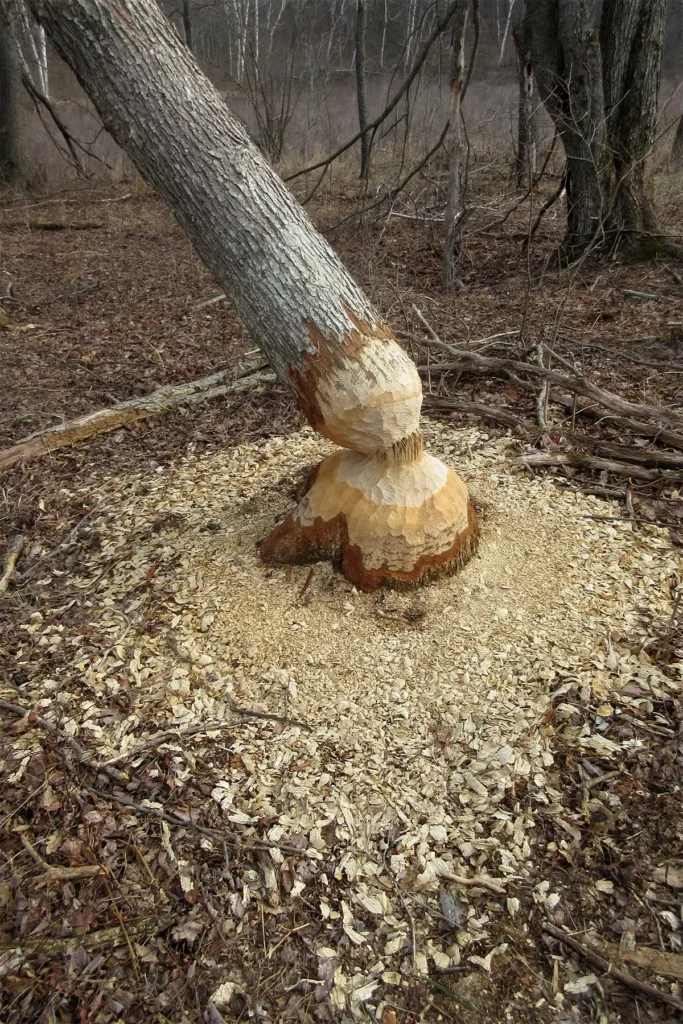
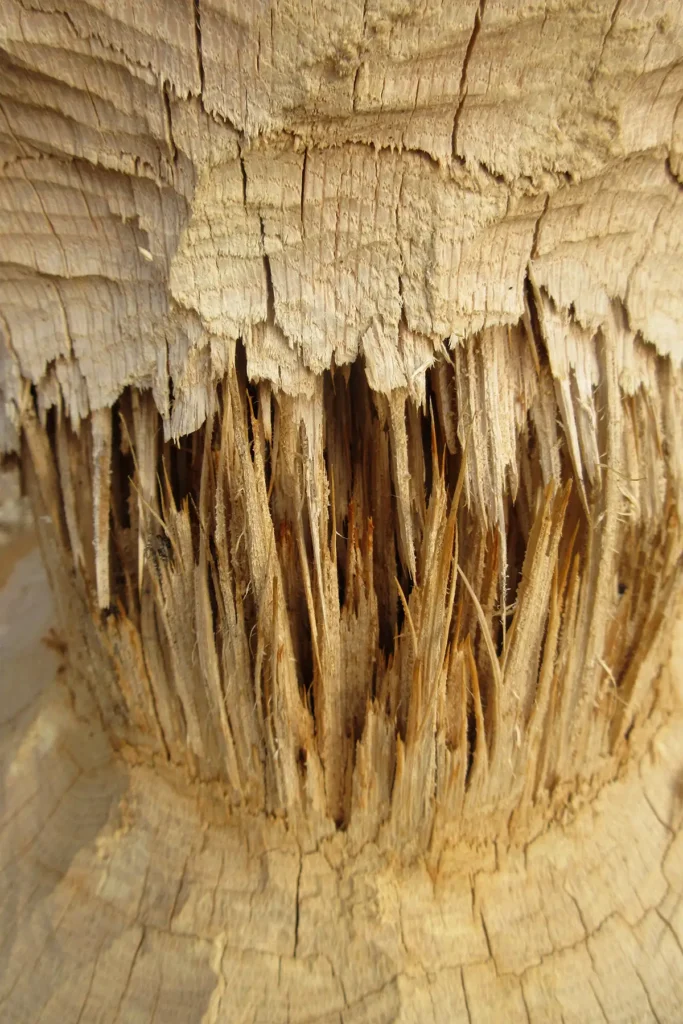
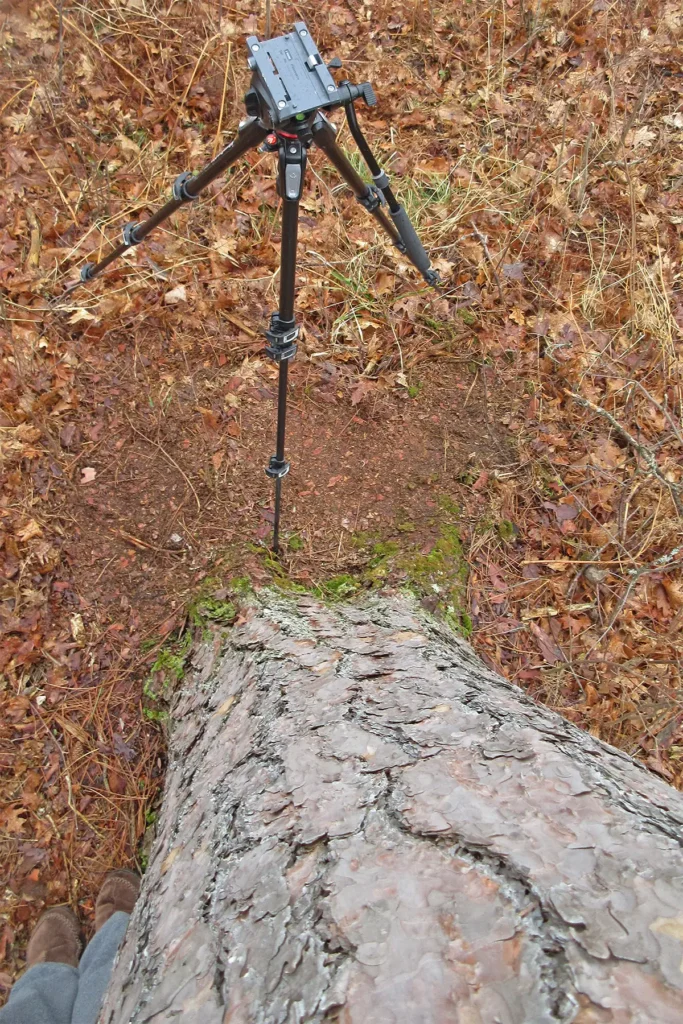
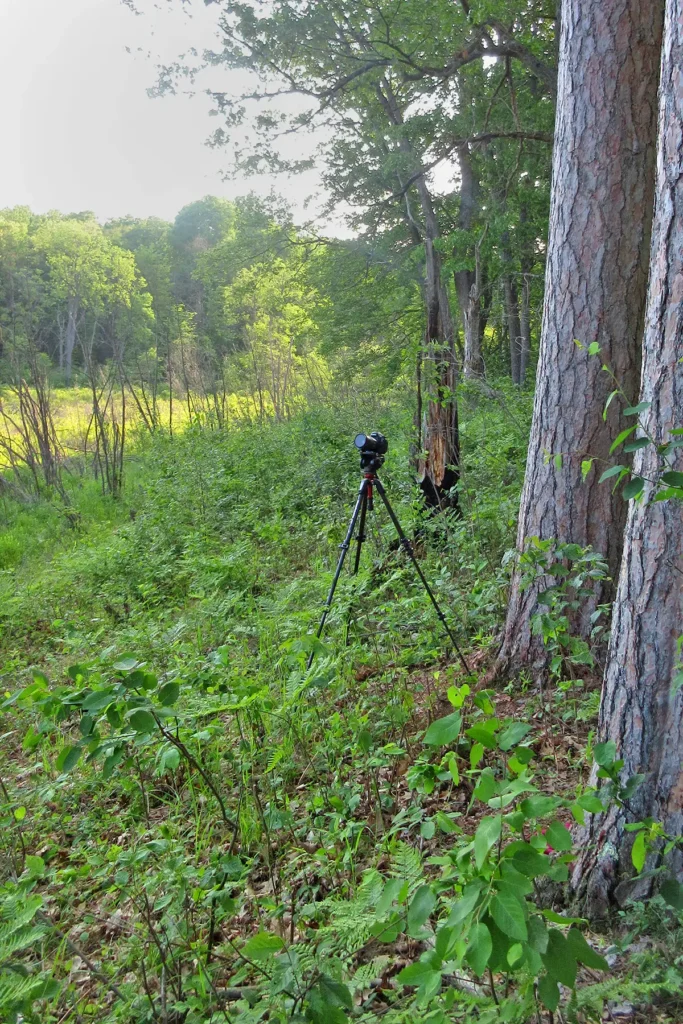
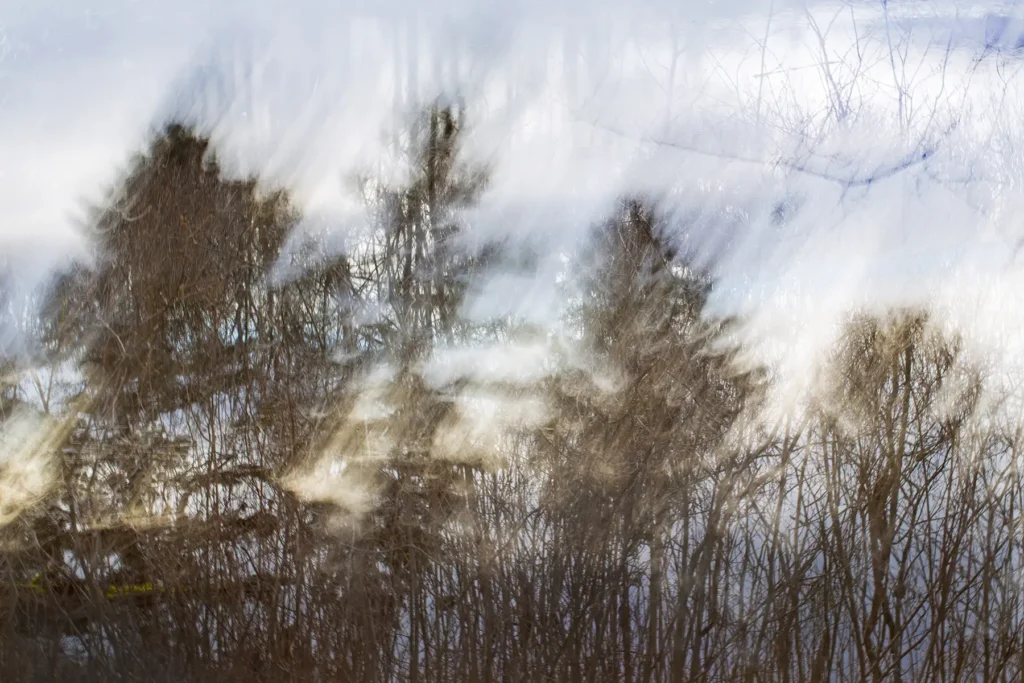
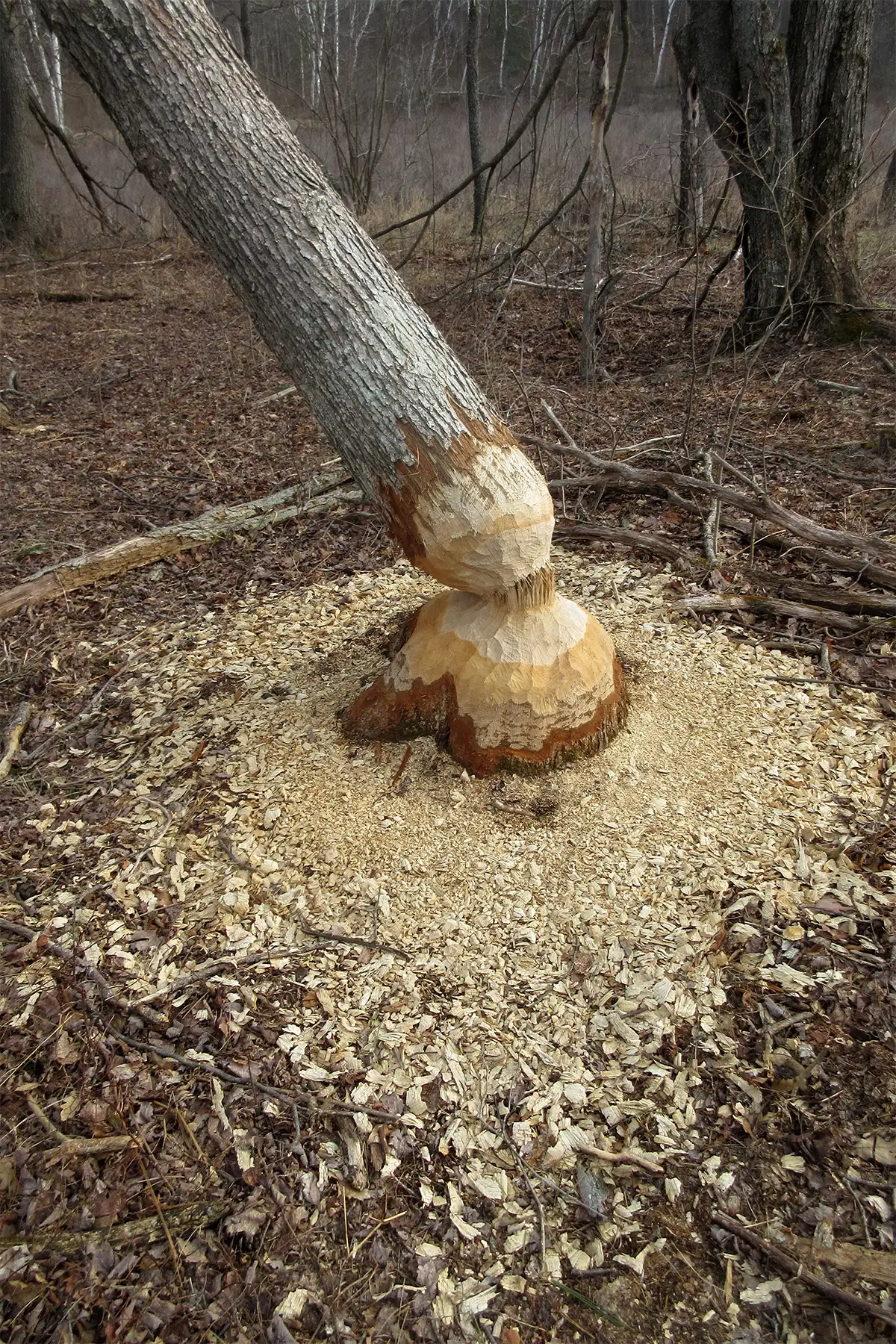
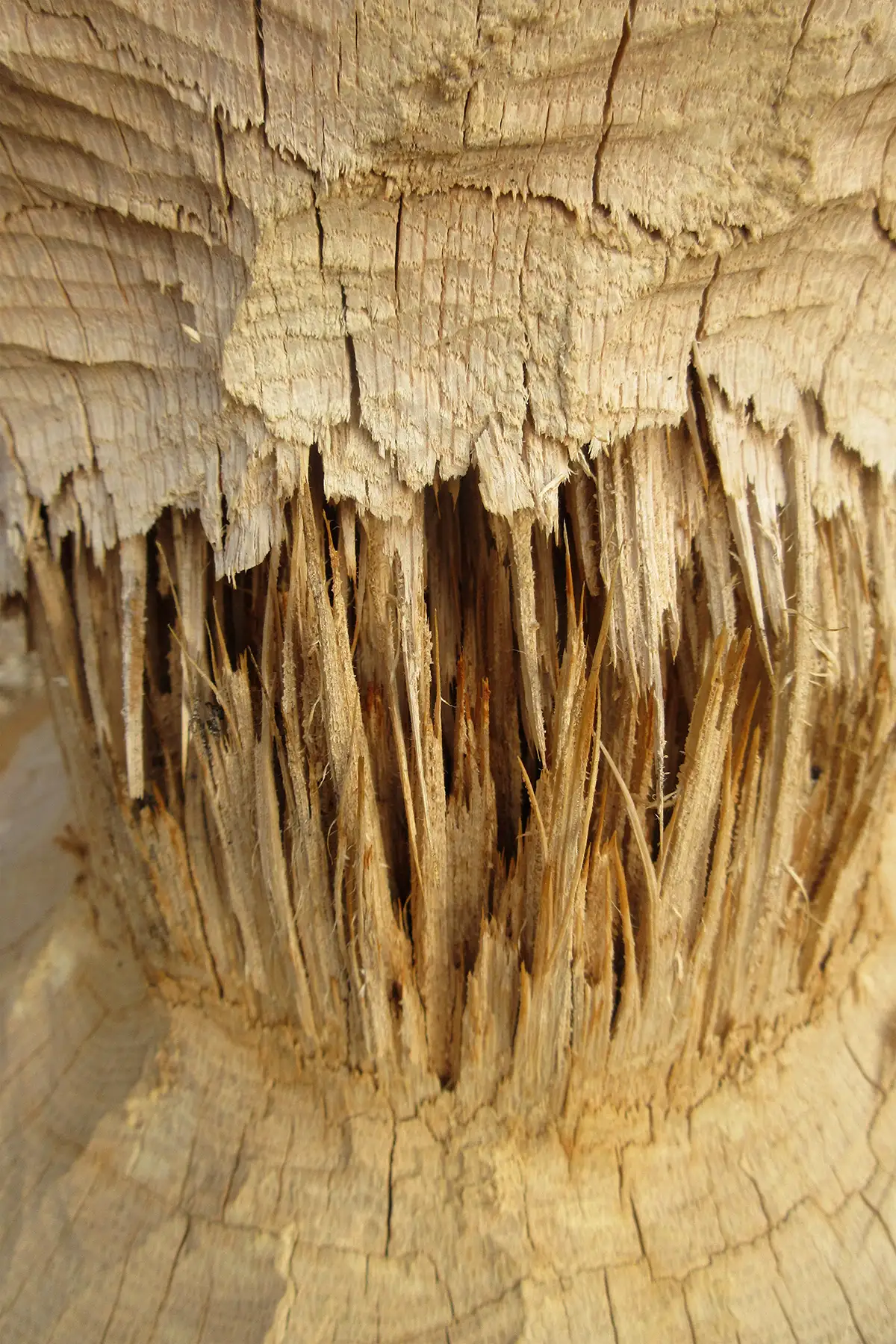
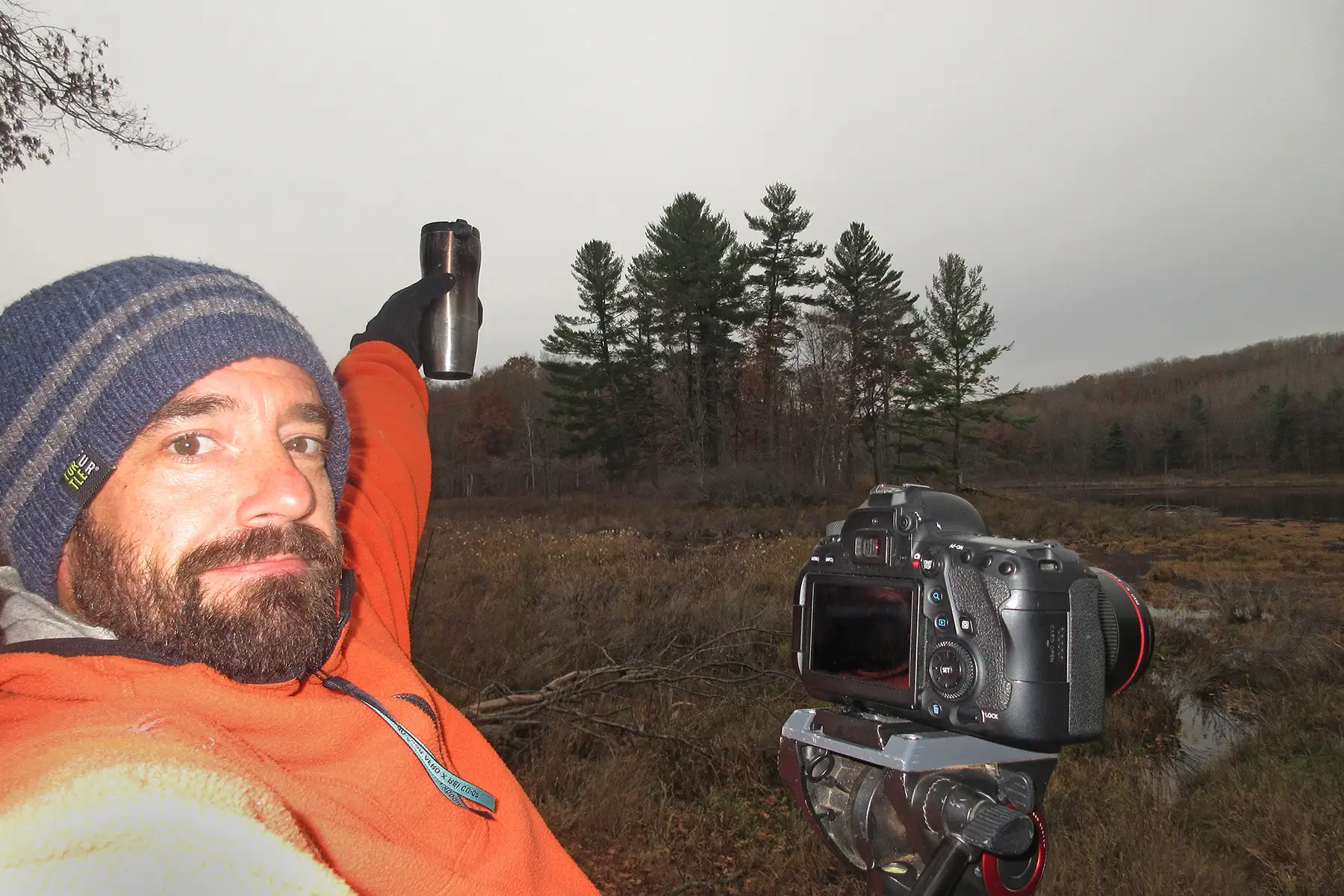
The work is centered by a stand of eastern white pine. A beaver-toppled hardwood fills the left foreground. During my final shoot, fifteen months after the first, beavers had brought down another foreground tree, limiting my photographic options. Luckily, I was there solely for morning steam on the surface of Penoyer Lake, which balances the snow-covered hillside and complements the bright white of The Trumpeter.